
Where does balcony solar stand in your state?
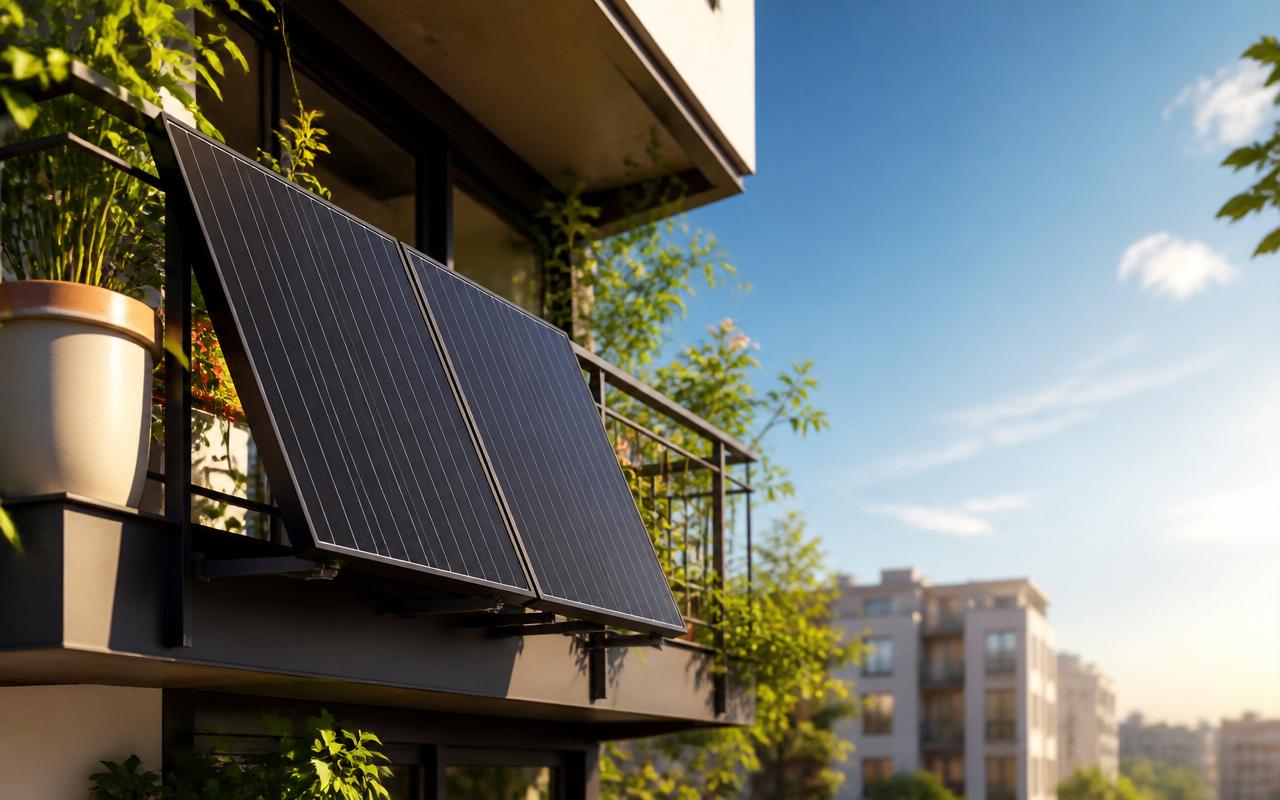
Plug-in solar — the small, pre-wired kits you mount on a balcony or patio and plug into a standard outlet — is having a breakout year. In just the last few months, states have gone from a single pioneer to a growing cluster of laws that expressly legalize it. But the map is uneven: what's plug-and-go in one state still requires a permit and a licensed electrician one border over. So the real question isn't 'is balcony solar legal in the U.S.?' It's 'where does it stand in your state?'
Below is our living map of every state's status. Green states have laws in effect right now; the paler green shows laws that are signed but not yet live; yellow marks states where a bill is actively advancing. Everything else is still governed by your individual utility's interconnection rules.
States where you can plug in today
A small but growing group has laws live right now. Utah started it all — HB 340 made it the first state to expressly allow plug-in solar up to 1,200W with no permit, interconnection, or utility approval. In 2026, three more went live: Virginia (up to 1,200W, effective July 1), Maine (a two-tier rule where systems up to 420W need no electrician or notification, and 420–1,200W require a licensed electrician), and Maryland, whose Utility RELIEF Act took effect the moment it was signed thanks to an emergency clause — exempting systems at or below 391W from UL certification.
Where it's already law
9 states have signed plug-in solar into law. Tap any state for the details.






Signed, but not live yet
Two states have laws on the books with a future start date. Colorado passed the most generous law in the country — HB26-1007 allows up to 1,920W and bars landlords and HOAs from blocking installs — but the provisions don't begin until January 1, 2027. Connecticut's Public Act 26-127 permits one device per household up to 1,200W and takes effect October 1, 2026, once the state regulator finishes writing installation rules.
The states to watch
This is where the action is right now. New York's SUNNY Act cleared both chambers in late May and sits on the governor's desk, allowing systems up to 1,200W. New Jersey's legislature approved a bill on July 1 and sent it toward the governor. New Hampshire's SB 540 was enrolled in June and awaits the governor's signature. Vermont's bill passed both chambers and is awaiting signature too, and Massachusetts's Senate folded balcony solar into an energy package on July 1 — though it still needs the House. California's SB 868 passed the Senate 35-1 but is parked on the Appropriations suspense file until August.
Check whether your state has a bill moving on the Laws by State page
What still varies — even in 'green' states
Passing a law is only half the story. Even where plug-in solar is expressly legal, the details differ enough to matter before you buy:
- Wattage caps range from roughly 800W to nearly 2,000W depending on the state.
- Some states exempt only the smallest systems from certification or electrician requirements, with stricter rules above a threshold.
- A few of the newest laws bar landlords and HOAs from blocking installs — many don't.
- Most utilities still want a short interconnection or net-metering form on file, even for tiny systems.
How to confirm your own status
Use the map above to find your state, then do two quick checks before you plug in. First, note whether your state's status is in effect, signed and pending, advancing, or unclear — that tells you whether there's a statewide framework at all. Second, check your utility's interconnection page, because even the most permissive states usually expect a simple form. Size your kit to any local wattage cap, file the paperwork if it's required, and you'll know exactly where you stand.
The map is moving fast — several of the 'awaiting signature' states could flip to live within weeks. We keep this tracker updated as bills advance, so bookmark it and check back before you buy.
Share this
Comments
Loading comments…
Leave a comment
Comments are reviewed before they appear.