
Why plug-and-play solar is the future of power generation
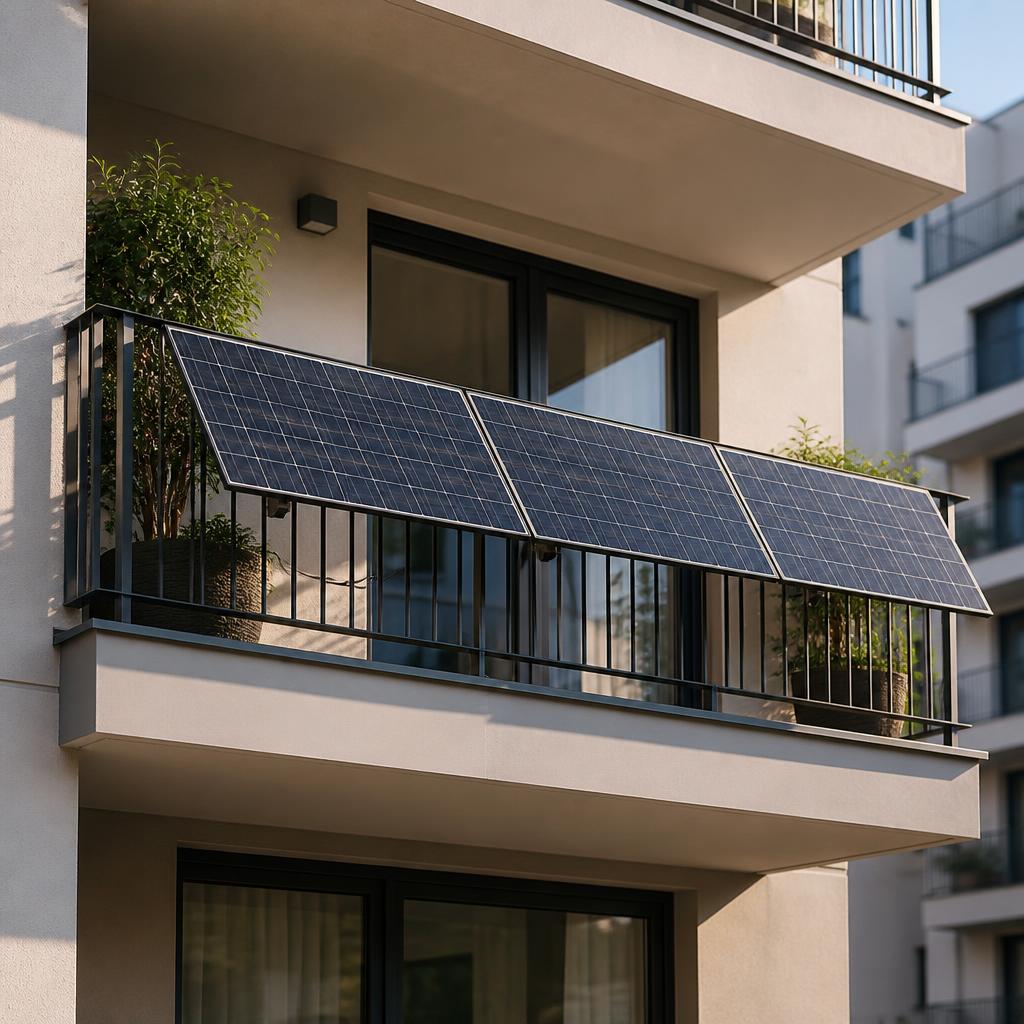
For the first time in a generation, U.S. electricity demand is climbing fast. After nearly two decades of flat consumption, data centers, AI, electric vehicles, heat pumps, and reshored manufacturing are all pulling hard on the grid at once. Grid operators are now forecasting demand growth that would have seemed impossible a few years ago — and the question isn't whether we need dramatically more power, but how we're going to generate it.
The default answer has always been the same: build more big power plants. But there's a faster, cheaper, and more resilient path hiding in plain sight — one that doesn't require breaking ground on a single new plant. It's millions of ordinary people generating their own clean electricity at home and feeding it straight into the grid, one plug at a time.
The scale of what we need
Meeting the coming surge in demand with traditional infrastructure is a decades-long project. A new natural gas or nuclear plant takes years to permit, finance, and build. High-voltage transmission lines that carry that power to cities can take even longer — often a decade or more — tangled in permitting, land rights, and local opposition. We simply don't have that kind of time if demand is rising now.
Centralized generation also concentrates risk. When power comes from a handful of large plants and long transmission corridors, a single failure — a storm, a wildfire, a heat wave, an equipment fault — can cascade into outages for millions. The grid we inherited was built for a slower, more predictable world.
A better model: power by the people
Now imagine adding capacity a different way. Instead of one plant producing a gigawatt in a single location, picture hundreds of thousands of homes each producing a few hundred watts of clean solar right where the power is actually used. Added together, distributed solar can rival the output of major power plants — but it arrives incrementally, affordably, and without waiting on any single mega-project.
- Speed: a plug-in solar kit is generating power the same day it's unboxed — no permits, no construction, no waiting years for a plant to come online.
- Resilience: distributed generation has no single point of failure. Millions of small sources are far harder to knock out than a few large ones.
- Efficiency: power made and used in the same place avoids the losses of pushing electricity across hundreds of miles of transmission lines.
- Cost: the people who benefit pay for their own panels, easing the enormous public cost of new plants and grid buildout.
This is the core insight: independent solar cells, owned by the people and plugged into the grid, are not a cute supplement to real power generation — in aggregate, they are real power generation. And they solve problems that new central plants can't. Every home that adds its own panels takes load off the system and adds capacity exactly where it's needed, without a utility having to build anything.
Why people will actually want it
Big infrastructure only gets built if someone decides to build it. Distributed solar is different — it gets built because millions of individuals each decide it's in their own interest. And increasingly, it is. Home energy that's clean, cheap, and under your own control is simply a better product than a rising monthly bill from a utility you can't influence.
- Lower bills: every kilowatt-hour you make yourself is one you don't buy at retail prices that keep climbing.
- Independence: your own generation is a hedge against rate hikes, outages, and grid instability.
- Simplicity: plug-and-play kits removed the last big barrier — you no longer need an installer, a permit, or a roof to participate.
- Values: people genuinely want clean energy, and producing it themselves turns that preference into daily reality.
As kits get cheaper and setup gets easier, clean energy produced simply at home stops being a niche hobby and becomes the obvious default — the way people expect to power their lives. Not a backup, not a statement, but their main source of electricity.
The future is distributed
The next era of American power won't be defined solely by a few enormous new plants. It will be defined by how many people join in — by a grid that draws strength from millions of small, clean, individually owned sources working together. Plug-and-play solar is the on-ramp to that future, and it's already here. The only question is how quickly we plug in.
Share this
Comments
Loading comments…
Leave a comment
Comments are reviewed before they appear.