
Is the EcoFlow STREAM compliant with plug-in solar regulations in every state?
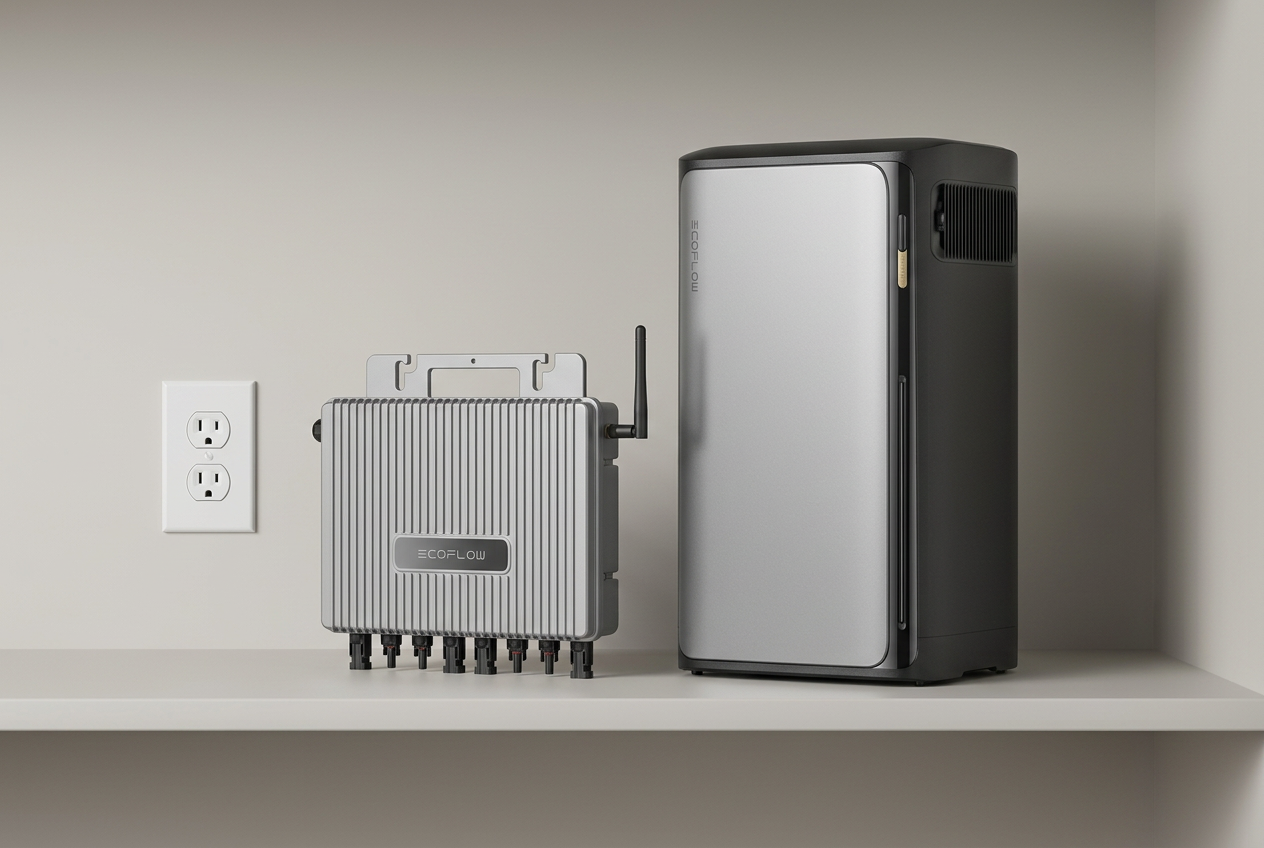
It's the first question most people ask before they buy: is the EcoFlow STREAM — and the larger STREAM Ultra — actually legal and compliant where I live? It's the right question, but the honest answer has two halves. The equipment meets the national safety certifications that regulators care about. Whether you can plug it in without a permit, though, depends entirely on your state and utility — and no plug-in solar product on the market is 'approved in all 50 states,' because the rules simply don't work that way yet.
Two very different meanings of 'compliant'
When people say 'compliant,' they're usually blending two separate things that are worth pulling apart:
- Equipment compliance — does the hardware meet the recognized safety and grid-interconnection standards (like UL certifications) that make it safe to connect to your home?
- Regulatory / legal compliance — does your state and utility expressly allow a homeowner to plug a small solar system into a standard outlet without a permit or a licensed installer?
The STREAM and STREAM Ultra do well on the first. The second isn't a property of the device at all — it's a property of where you live.
Is the STREAM hardware certified?
Yes. The STREAM Microinverter and the STREAM Ultra use UL-certified grid-tie microinverter technology, and like any modern grid-tied inverter they include anti-islanding protection — meaning if the grid goes down, the unit automatically stops feeding power so it can't energize lines that a utility worker might be repairing. That built-in safety behavior is exactly what interconnection standards are designed to guarantee, and it's the technical foundation regulators look for.
So on the pure hardware question — 'is this a safe, standards-certified grid-tie device?' — the answer is yes across the country. The certification travels with the box no matter which state it ships to.
So is it 'compliant in all 50 states'? No — and neither is anything else
Here's the part that trips people up. There is no federal rule that legalizes plug-in (balcony) solar nationwide. Instead, legality is decided state by state — and often utility by utility. As of mid-2026, only a handful of states have passed laws that expressly permit plug-in solar, a few more have bills signed but not yet in effect, and the majority still have no plug-in-specific framework at all. In those states, whether you can connect a system comes down to your individual utility's interconnection rules.
That means the same STREAM Ultra can be fully permitted-and-plug-in-legal in one state, and require a permit or licensed electrician in the next — with zero difference in the hardware. No manufacturer can truthfully claim their plug-in product is compliant in all 50 states, because compliance isn't theirs to grant. It's the state's.
What actually varies by state
- Whether plug-in solar is expressly legal at all, or still handled case-by-case by your utility.
- The maximum system size allowed — early state laws range from around 800W up to nearly 2,000W.
- Whether a permit, inspection, or licensed installer is required for a grid-tied connection.
- Whether landlords and HOAs can block an install (a few of the newest laws specifically bar them from doing so).
- Net-metering and interconnection paperwork, which many utilities still require even for small systems.
How to check your own situation
Because the STREAM covers the equipment side, your job is to confirm the regulatory side before you plug in. Two quick checks will tell you almost everything:
- Look up your state on our living legislation tracker to see whether plug-in solar is in effect, signed and pending, advancing, restricted, or simply undefined.
- Call or check your utility's interconnection page — even in permissive states, most utilities want a short interconnection or net-metering form on file.
If your state expressly allows plug-in solar within a wattage cap, a STREAM or STREAM Ultra kit configured under that cap is typically straightforward to bring into compliance. If your state is still 'unclear,' the device is legal to own and safe to use — but connecting it to the grid may require your utility's sign-off or a permit first.
The bottom line
The EcoFlow STREAM and STREAM Ultra are built to the safety and interconnection standards regulators rely on, so the hardware itself isn't the obstacle. But 'compliant in all 50 states' is a promise no plug-in solar product can honestly make, because plug-in legality is set by each state and utility — not by the manufacturer. Check your state's rules and your utility's interconnection requirements, size your kit to any local wattage cap, and you'll know exactly where you stand before you plug in.
Share this
Comments
Loading comments…
Leave a comment
Comments are reviewed before they appear.