
How long does it take for a plug-and-play solar system to pay for itself?
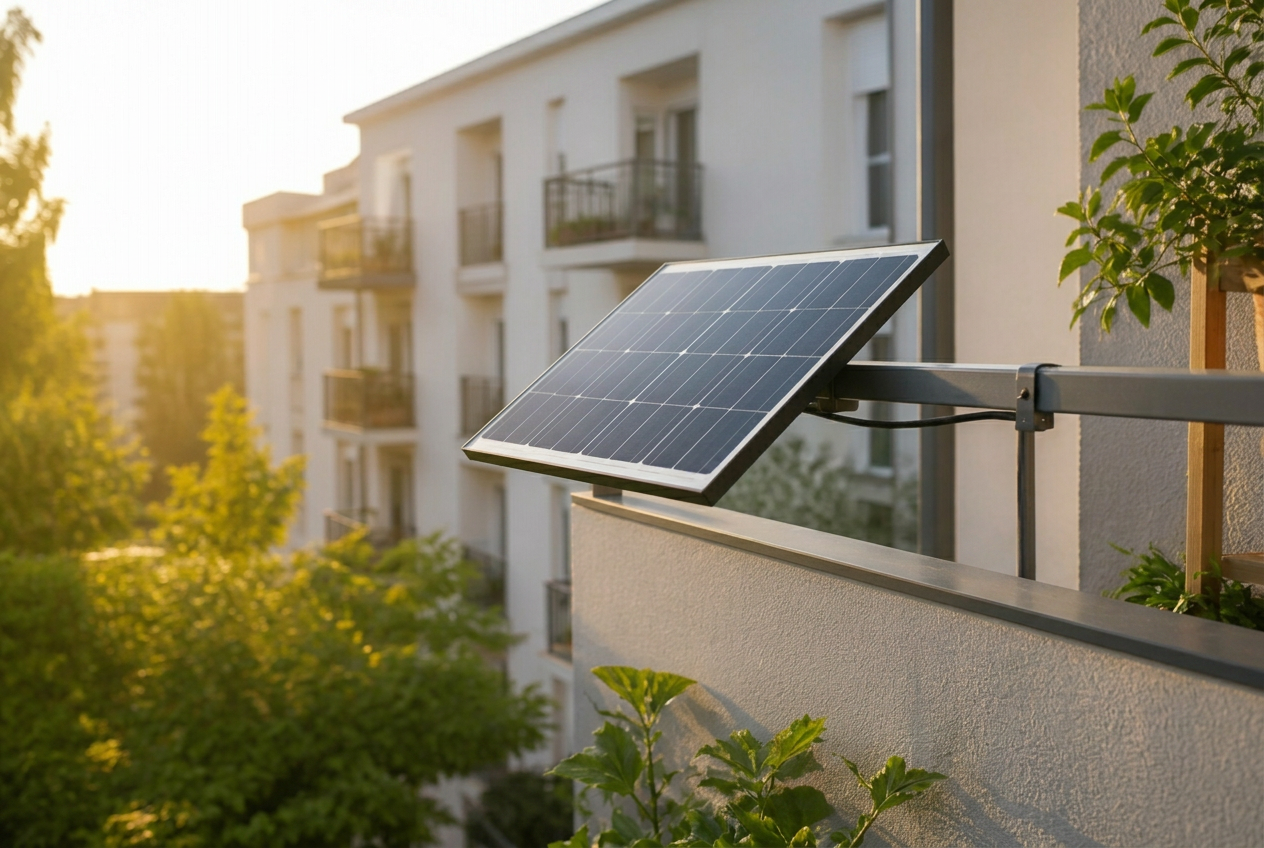
It's the first question almost everyone asks: if I buy a plug-and-play solar kit, how long until it pays for itself? The honest answer is that it depends — but not on anything mysterious. Payback comes down to three things you can actually measure: what you pay per kilowatt-hour, how much sun your panels get, and whether you add a battery to shift power into your most expensive hours. For most households, a plug-and-play system pays for itself in roughly three to seven years, then keeps generating essentially free electricity for two more decades.
What 'payback' actually means
Payback is simply the point where your accumulated savings equal what you spent on the kit. After that, every kilowatt-hour the panels produce is money you keep. Because quality panels are warrantied for 25–30 years, a system that pays back in five years spends the next two-plus decades as pure profit.
The formula is refreshingly simple: take the price of the system and divide it by your estimated annual savings. A $1,999 kit that saves you $400 a year pays back in about five years. Everything else is just figuring out that annual-savings number accurately.
The three things that decide your payback
- Your electricity rate — the higher your all-in $/kWh, the more each unit of solar is worth. Someone paying 45¢/kWh in California reaches payback far faster than someone paying 13¢/kWh in the Midwest.
- Your sunlight — a panel in a bright, south-facing spot can produce 30–50% more than one in partial shade or a north-facing wall. More production means more savings per year.
- Whether you add a battery — a battery lets you store cheap midday solar and use it during expensive evening peak hours, adding another layer of savings on time-of-use plans.
A typical example
Take a 1,200W plug-and-play kit in a reasonably sunny location. It generates roughly 1,700–1,900 kWh per year. At an average all-in rate of 30¢/kWh, that's about $510–$570 in avoided electricity annually. Against a system price near $1,999, that lands payback in roughly 3.5 to 4 years — and the panels keep producing long after.
Now flip the variables. At a low 13¢/kWh rate, that same production is worth only about $230 a year, stretching payback closer to eight or nine years. That's why your local rate matters more than almost anything else.
Use the calculator below to plug in your own bill, sunlight, and rate tier — it estimates your yearly savings and payback for a 1,200W system instantly.
Estimates based on a 1,200W solar system. Actual savings vary with sunlight, orientation, and local energy prices.
How a battery shortens payback
A plain microinverter kit feeds solar into your home the instant it's produced — usually midday, which on time-of-use plans is often the cheapest power of the day. Adding a battery like the EcoFlow STREAM Ultra lets you store that midday solar and discharge it during the expensive evening peak instead. Every kilowatt-hour you shift from a cheap window to a pricey one widens your savings and shortens payback, especially on steep TOU rates.
Before you buy, make sure plug-and-play solar is allowed where you live — check your state's status
The bottom line
For most people, a plug-and-play solar system pays for itself in three to seven years. If you pay a high electricity rate, have a sunny spot, or add a battery to capture peak-hour savings, you'll land at the fast end of that range. Run your own numbers with the calculator above, confirm it's legal in your state, and you'll know exactly how quickly your kit turns into free power.
Share this
Comments
Loading comments…
Leave a comment
Comments are reviewed before they appear.